Categories:


Uncategorized
Multi-I/O Industrial Panel PCs: How Connectivity Improves Automation Efficiency

April 15, 2026
Share:
The Importance of Connectivity in Industrial Systems
In modern industrial automation, a panel PC is no longer just a display device—it is the central hub that connects machines, sensors, and control systems. As production lines become more intelligent and data-driven, connectivity has become one of the most important factors when choosing an industrial panel PC.
A system with strong multi-I/O support ensures seamless communication between different devices, reducing integration complexity and improving overall efficiency.
What Is a Multi-I/O Industrial Panel PC?
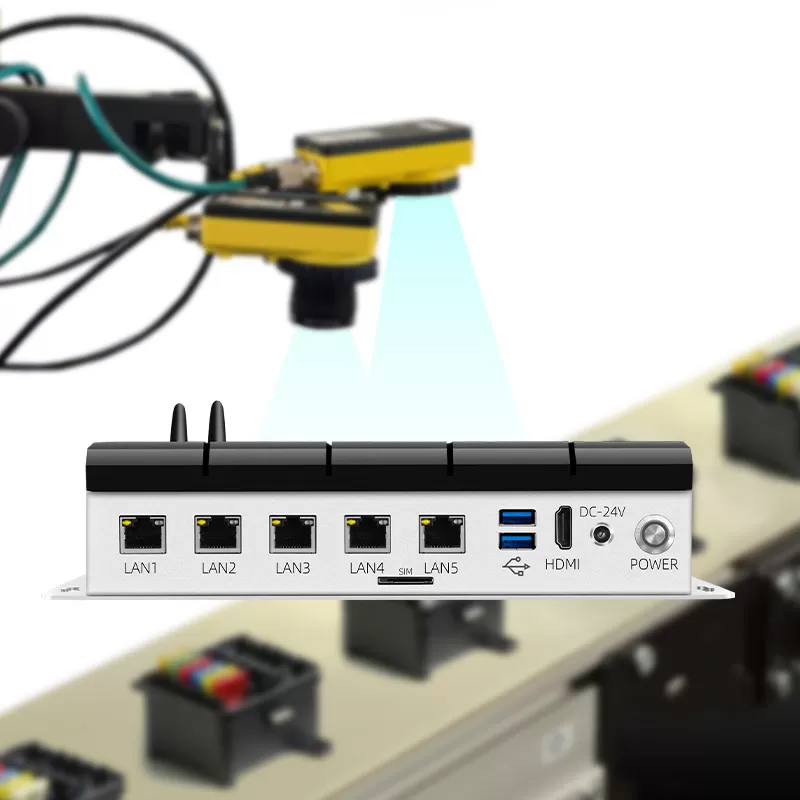
A multi I/O industrial panel PC is designed with multiple input and output interfaces that allow it to connect with a wide range of industrial equipment. Unlike standard computers, these systems are built specifically for industrial environments where compatibility and stability are critical.
Typical interfaces include:
- USB ports for peripherals and data transfer
- LAN ports for network communication
- HDMI or VGA for display output
- COM ports for legacy industrial equipment
- Audio interfaces for system alerts or communication
This combination makes the system highly adaptable across different industrial applications.
Why Connectivity Matters in Industrial Automation
In an automated production environment, every second of downtime can result in significant losses. A well-connected industrial touch screen PC helps ensure smooth communication between machines, controllers, and monitoring systems.
For example, in a CNC production line, the panel PC may need to connect with motion controllers, sensors, and data acquisition modules simultaneously. Without proper multi-I/O support, integration becomes complex and less reliable.
A properly designed industrial computer with multiple ports simplifies this process and ensures stable real-time performance.
Integration with Modern Industrial Systems
Today’s factories rely heavily on system integration. A modern industrial panel PC is expected to support both legacy equipment and new smart devices.
This is where multi-interface design becomes essential. For instance, COM ports are still widely used in industrial automation, while Ethernet and USB interfaces support modern IoT-based systems.
A flexible industrial PC connectivity design allows businesses to upgrade their systems gradually without replacing all existing equipment.
Reliability in Harsh Industrial Environments
Connectivity alone is not enough—stability is equally important. Industrial environments often involve vibration, dust, and temperature fluctuations. That’s why many industrial panel PCs are designed with fanless architecture and rugged enclosures.
This ensures that even with multiple devices connected, the system continues to operate reliably. Combined with features like IP-rated protection and solid-state storage, the system becomes highly resistant to environmental stress.
Applications Across Different Industries
Multi-I/O industrial panel PCs are widely used in:
- Factory automation systems
- CNC machinery control
- Smart warehouse management
- Energy monitoring systems
- Transportation and logistics platforms
In each of these scenarios, reliable connectivity is essential for real-time data processing and system coordination.
Conclusion
As industrial systems become more connected and intelligent, the demand for flexible and reliable computing platforms continues to grow. A multi-I/O industrial panel PC provides the connectivity backbone needed for modern automation systems.
By supporting multiple interfaces and ensuring stable communication between devices, these systems help businesses improve efficiency, reduce integration complexity, and build more scalable industrial environments.