Categories:



Uncategorized
High Brightness Industrial Displays: Choosing the Right Nits for Different Environments

April 15, 2026
Share:
Why Display Brightness Matters in Industrial Applications
In industrial environments, display readability is not just a convenience—it directly affects operational efficiency and safety. A standard display may work well indoors, but once exposed to bright factory lighting or outdoor sunlight, visibility can quickly become a problem.
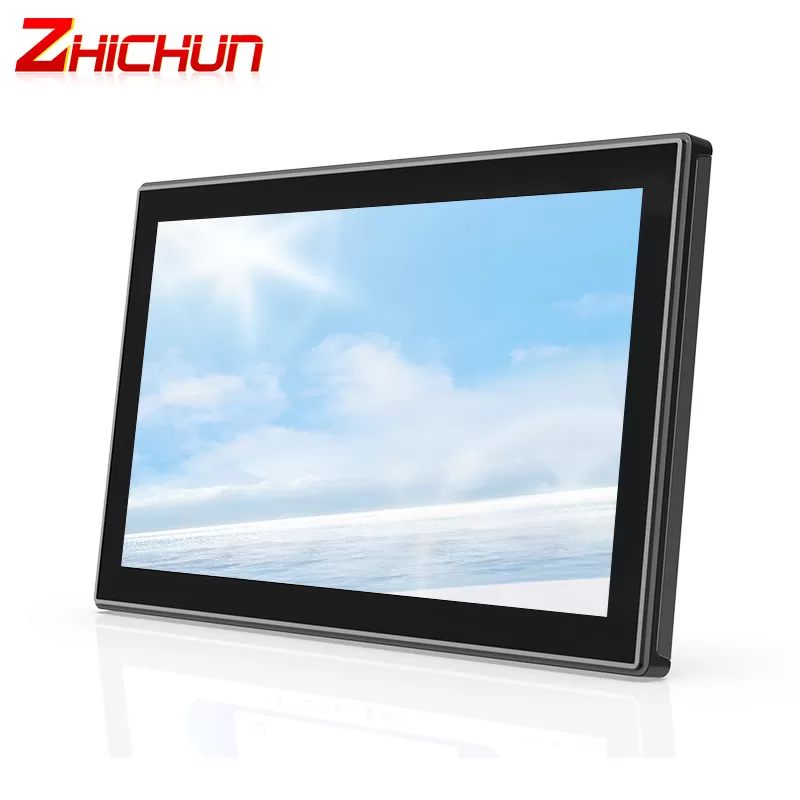
This is why high brightness industrial displays have become an essential part of modern industrial panel PC and industrial monitor systems. By increasing screen brightness, operators can clearly view data, control interfaces, and monitoring systems under almost any lighting condition.
Understanding Display Brightness: What Are Nits?
Display brightness is measured in nits. The higher the nit value, the brighter the screen appears.
In industrial applications, there are typically three common brightness levels:
- 300 nits for indoor environments
- 1000 nits for semi-outdoor or bright factory floors
- 2000 nits for direct sunlight exposure
Each level serves a different purpose, depending on where the industrial touch screen PC or monitor will be installed.
300 Nits: Standard Indoor Industrial Use
A 300-nit display is generally sufficient for controlled indoor environments. This includes control rooms, enclosed production lines, and equipment cabinets where lighting conditions are stable.
Many basic industrial panel PC systems use this level because it offers a balance between power consumption and readability. However, it may struggle in environments with strong ambient light or reflective surfaces.
1000 Nits: The Industrial Standard for Bright Environments
A 1000-nit high brightness industrial monitor is widely used in factories, workshops, and semi-outdoor environments. It provides a significant improvement in visibility compared to standard displays, especially under strong artificial lighting or near windows.
This level is often considered the “sweet spot” for most industrial applications because it delivers excellent readability without excessive power consumption or heat generation.
2000 Nits: True Sunlight Readable Performance
For outdoor applications or environments exposed to direct sunlight, a 2000-nit sunlight readable display is often required. These industrial touch screen PC systems are designed with advanced backlight technology to ensure visibility even in harsh lighting conditions.
Typical use cases include:
- Outdoor kiosks
- Transportation systems
- Smart city terminals
- Construction equipment interfaces
In these scenarios, a high brightness industrial display ensures that operators can always access critical information without strain or error.
Key Considerations When Choosing Brightness Levels
Selecting the right brightness is not just about choosing the highest number. Higher brightness often means higher power consumption and potentially more heat output. Therefore, it is important to match the display to the actual working environment.
For example, using a 2000-nit panel in a fully indoor environment may be unnecessary, while using a 300-nit display outdoors will likely result in poor visibility and reduced usability.
A well-designed industrial panel PC should balance brightness, efficiency, and application requirements.
Integration with Industrial Systems
Modern industrial displays are not standalone devices. They are often integrated into larger systems such as automation lines, monitoring platforms, and control panels.
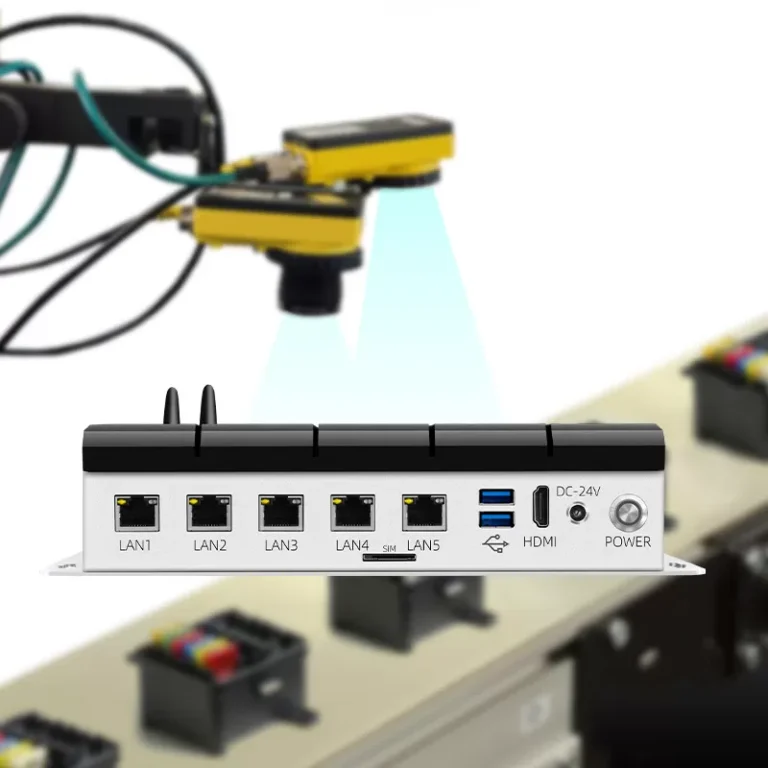
A high brightness industrial touch screen PC typically includes multiple I/O interfaces, fanless cooling design, and rugged housing to ensure stable performance in demanding environments. When combined with the right brightness level, these features create a reliable and long-lasting industrial solution.
Conclusion
Choosing the right brightness level is a critical decision in industrial display selection. Whether it is 300 nits for indoor control systems, 1000 nits for factory environments, or 2000 nits for outdoor sunlight exposure, each level serves a specific purpose.
A properly selected high brightness industrial display not only improves visibility but also enhances productivity and reduces operational errors. In modern industrial applications, it is a key factor in ensuring efficient and reliable system performance.