Categories:



Uncategorized
Industrial Fanless Touch Panel PC: A Reliable Solution for Harsh Environments

April 15, 2026
Share:
In many industrial environments, traditional computers simply don’t last. Dust, moisture, vibration, and extreme temperatures can quickly cause system failures, leading to costly downtime. This is exactly why more manufacturers are turning to industrial fanless panel PC solutions that are specifically designed to operate under harsh conditions.
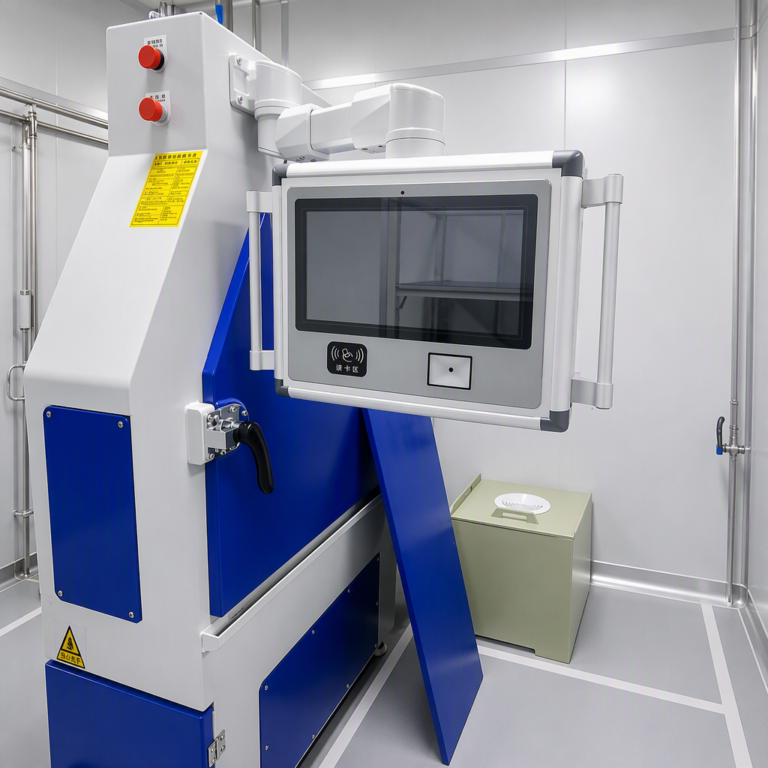
Unlike consumer-grade devices, a well-designed industrial fanless touch panel PC removes one of the most common failure points: the cooling fan. By adopting a completely sealed, fanless structure, these systems significantly reduce internal dust buildup and eliminate mechanical wear over time. For factories running 24/7 operations, this kind of reliability is not just a benefit—it’s a requirement.
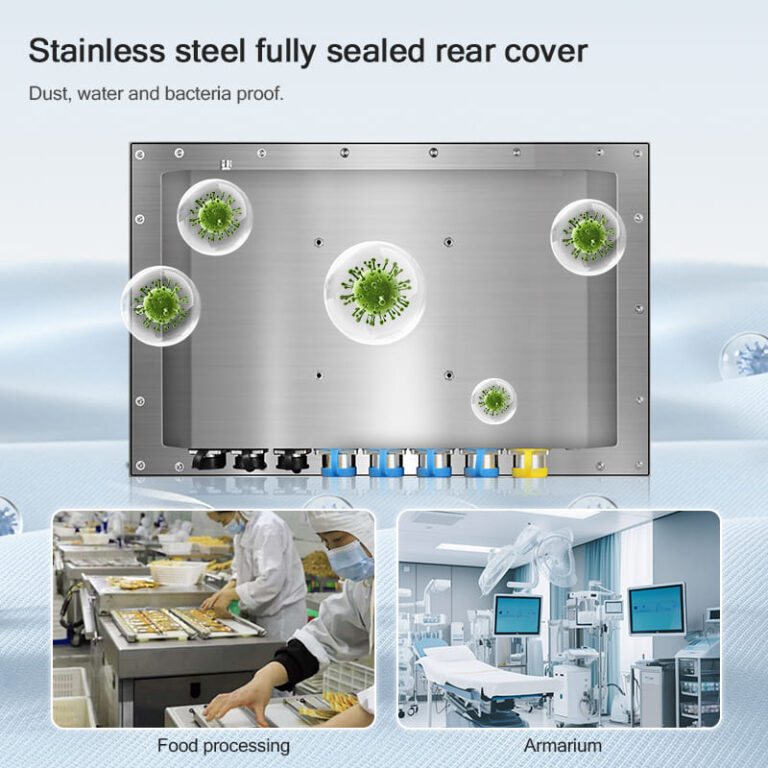
Another key advantage comes from protection standards. A high-quality IP67 touch panel PC offers full protection against dust and can even withstand water exposure in demanding environments. This makes it particularly suitable for industries such as food processing, marine applications, and outdoor automation systems, where equipment is frequently exposed to liquids or harsh cleaning processes. In these situations, using a waterproof industrial computer is essential for maintaining stable operations.
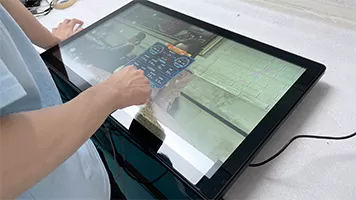
User interaction is also evolving in industrial settings. Modern industrial touch screen PC systems now commonly feature capacitive touch technology with support for multi-point input. Compared to older resistive screens, capacitive displays provide smoother, more responsive control, similar to what users experience on smartphones. With technologies like optical bonding, visibility is improved while reducing glare, making the screen easier to read in bright environments.
Durability is another factor that cannot be overlooked. Many industrial environments involve exposure to chemicals, humidity, or corrosive materials. That’s why stainless steel housing has become a preferred choice. A rugged, anti-corrosion enclosure not only extends the lifespan of the device but also ensures compliance in industries with strict hygiene standards, such as pharmaceuticals and food production.
Display performance also plays a critical role, especially in environments with varying lighting conditions. While a standard 300-nit screen may be sufficient for indoor use, many applications require higher brightness levels. A sunlight-readable industrial touch screen PC with 1000 nits or more ensures clear visibility even in outdoor or high-glare environments. This is particularly important for control panels installed in open areas or near large windows.
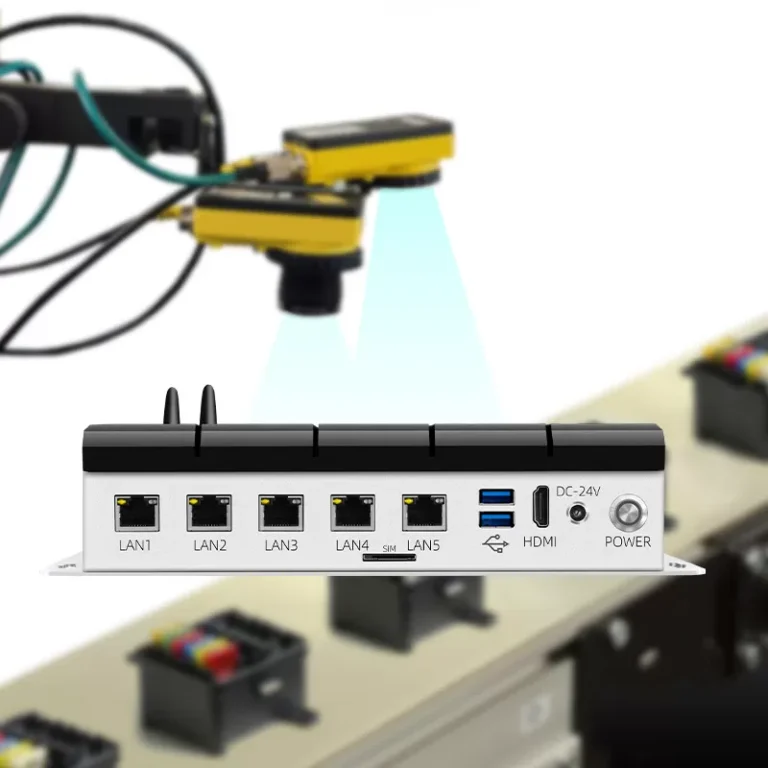
Connectivity is equally important in industrial systems. A typical industrial fanless panel PC is equipped with multiple I/O interfaces, including HDMI, USB, LAN, and serial ports, allowing it to integrate seamlessly with different machines and control systems. This flexibility makes it easier to deploy across a wide range of applications, from CNC equipment to automated production lines.
In real-world scenarios, these systems are already widely used across industries. From smart manufacturing and industrial automation to transportation systems and self-service kiosks, the demand for reliable computing solutions continues to grow. Businesses are no longer looking for just performance—they need stability, longevity, and minimal maintenance.
Ultimately, choosing the right industrial computing solution comes down to long-term value. A fanless industrial PC may have a higher upfront cost compared to consumer devices, but the reduced maintenance, longer lifespan, and improved reliability make it a far more cost-effective investment over time.
As industrial environments become more demanding and interconnected, the role of durable, high-performance computing devices will only continue to expand. Investing in a robust industrial fanless touch panel PC is not just about solving today’s challenges—it’s about preparing for the future of industrial automation.